
For the past year (2022) I’ve been learning to paint with watercolour and remember hearing about how in art school they learn to paint by copying the masters. I have been on the hunt for some nice paintings to decorate my home with that are beautiful, calming and inspiring. I tried one or two YouTube videos and this is great for learning basic techniques however I found it either too fast, slow, or overwhelming with finding the ‘right video’ and I end up watching a lot and not doing a lot of painting. I found through covid that our local library offers holds for free so every weekend I’ve been heading to the library to pick up my hoard of holds. I love books because I can quickly flip through the pages and find a painting I like to try to copy or view the techniques I want to try at my own pace. It also means I can look at a range of different artists and styles and try it out to find what works for me or what I like to try to learn.
Most watercolour books will still assume the reader is a beginner so will still cover the basics of paper, paint, brushes and other tools. Even though I have now built my basic kit of colours and tools (see my previous post) I still make a point to read this section as I find that some artists will have different preferences for brands or tools that I can consider for myself. I also find some explanations explain colour theory better or I will learn a new tip and trick. I’m also not restricted to just books on water colour there is a lot you can also learn from other mediums and even Van Gough took a whole year just drawing before he commenced painting as this helps provide the basics understanding of tone, perspective and portion.
So here are some of the more useful books I’ve come across so far, in no particular order with some of my versions of the original…
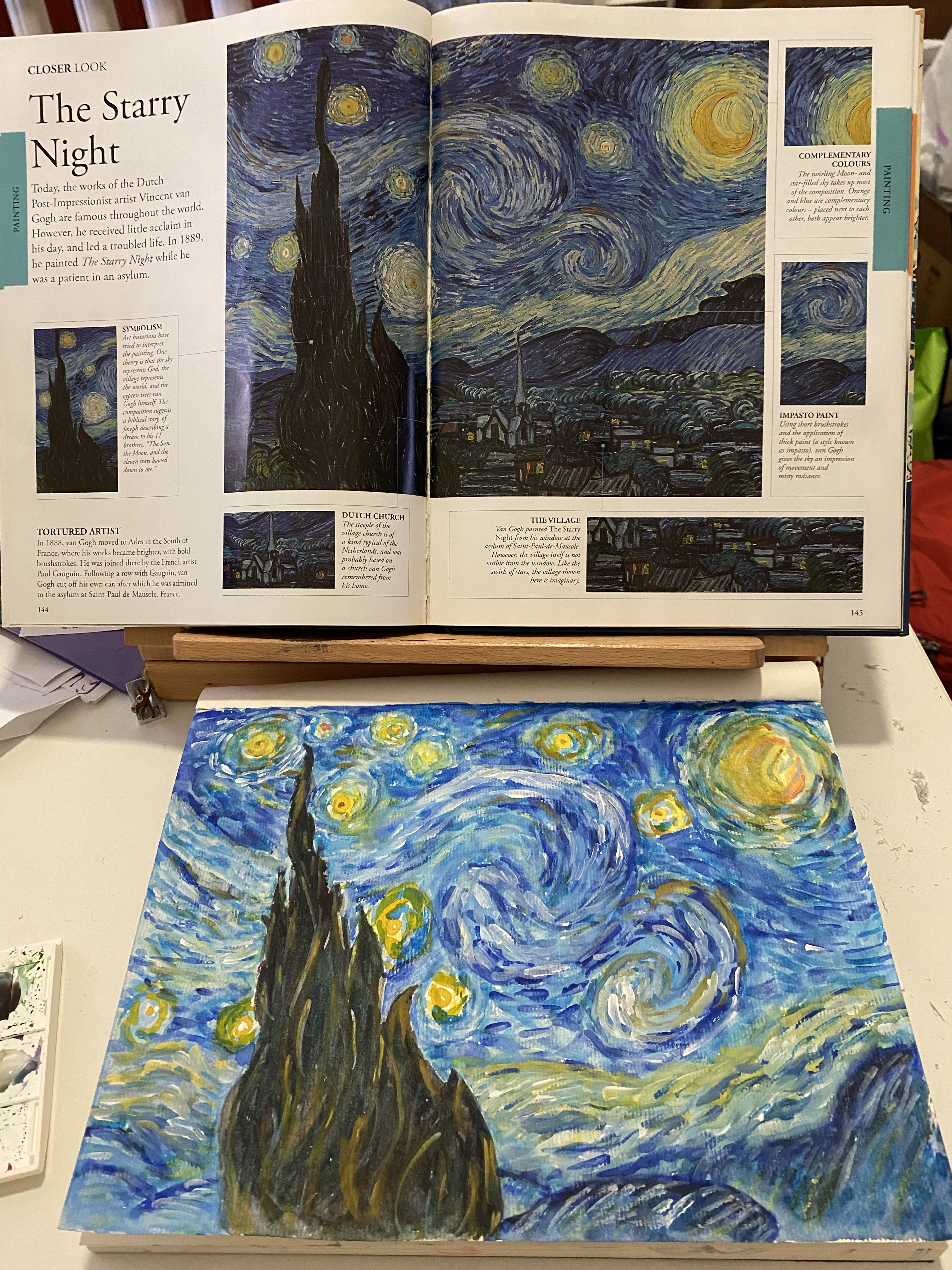
Art A Children’s Encyclopedia – Susie Hodge, David Taylor
I actually borrowed this book for the kids before the floods last year, school was being delayed and I quickly ran to the library to stock up on books and dvds to give them something to do if we were locked down. It turned out that I was the one to copy the artworks and they were not interested. I picked a few paintings I liked and copied them using watercolour just by looking. It’s amazing how much you can learn by observing and copying the strokes from someone else’s painting. I also gained a greater appreciation for the original artwork and found it incredible that the Great Wave of Kanagawa was made with a series of block paintings in different stages for the different colours and that there were several in the series. It is such an iconic painting but was painful enough to paint let along having to carve it out of wood. The Van Gough Starry Night took a lot of my paint and used more of a wet on dry technique and I was still in my very beginning stage where I was using watercolour like acrylic. From this I learnt that it is more economical with your use of materials and time to choose the right medium for the style of painting. After painting these two paintings my ultramarine was running out which sent me on a rabbit hole looking at different brands of watercolour and the many colours and names to replace it with.


Watercolour Techniques for Artists and Illustrators
I like this book because it goes through a number of different styles from realistic paintings, botanicals and looser type of paintings and shows you the basics of the style as well as a bit of a one-page tutorial. This book helped me learn to paint my first realistic portrait by patiently layering the skin tone to create the subtle shadows in the face.


The Easy Guide to Painting Skies in Watercolour – Stephen Coates
This book finally taught me how to utilise the wet in wet technique for beautiful clouds and sunsets. There’s a few different ways and this book takes you step by step through each technique. It’s also a great book to learn not just skies, but composition and practice painting landscapes. I’m still learning and next on my reading list is: How to paint skies – Geoff Kersley. In the mix are some other photos I’ve painted from my own personal photo references using the similar techniques.


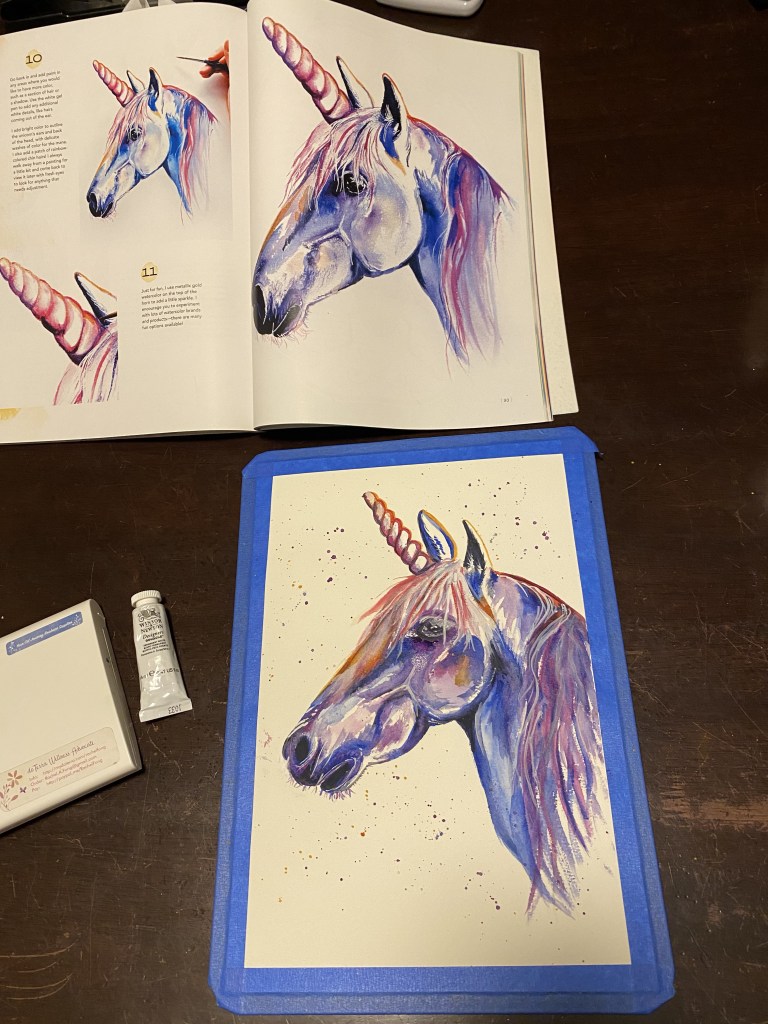
Colorways – Watercolor Animals. Tips and techniques for all levels of experience – Shuana Russel (https://www.shaunnarussell.com/)
This was a fun book which I was able to follow. Some steps were not very clear but if you are able to draw, you will be able to still achieve it with beautiful results. I love her use of brilliant rainbow colours to depict the shades and tone. Whilst I was able to copy her paintings, I found it hard to produce from real life. So, I decided to keep improving on my use of tone first. I love it so much I looked up her website and attempted a few more based on the pictures there.



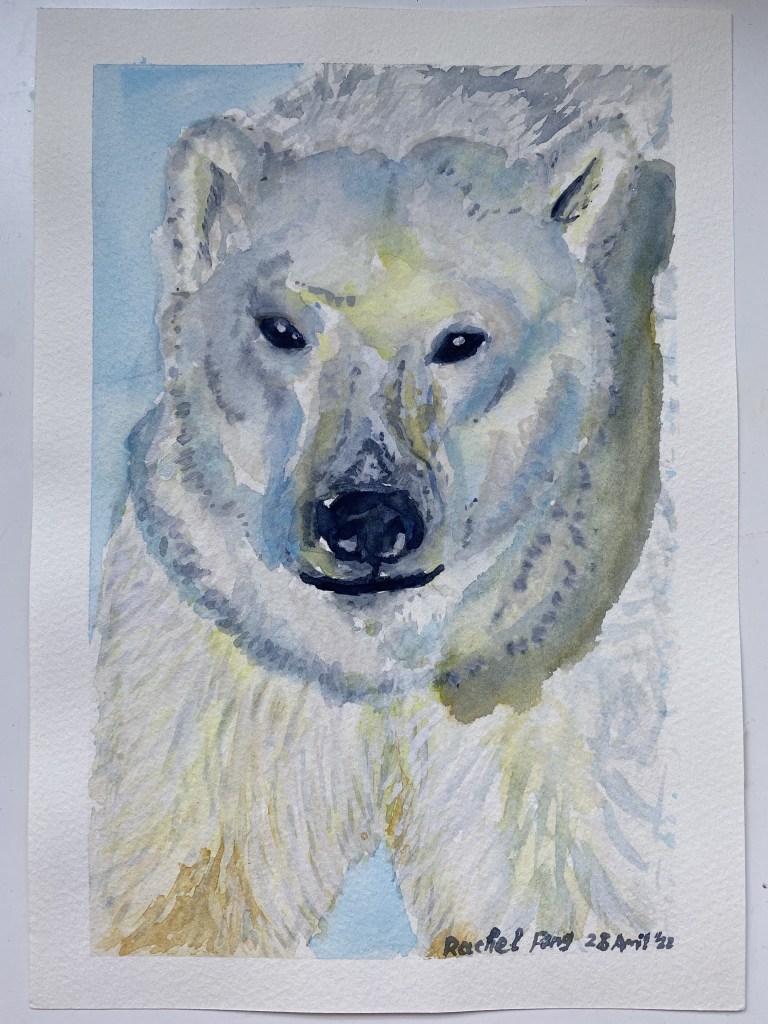
This also inspired me to attempt to paint my own version of a polar bear:

How to Paint Colour and Light – Jean Haines
I found this book because she has her own Daniel Smith paint set. I’m not sure if the loose wash style is the style that I want to continue with, but it was fun experimenting with colour. It is definitely harder to achieve than it looks.


The Essence of Watercolour – Hazel Soan
Love the use of colour and simplicity to depict light and shade. I also accomplished painting waves without use of masking fluid but it was quite time consuming so after this experience decided to look into buying some masking fluid.


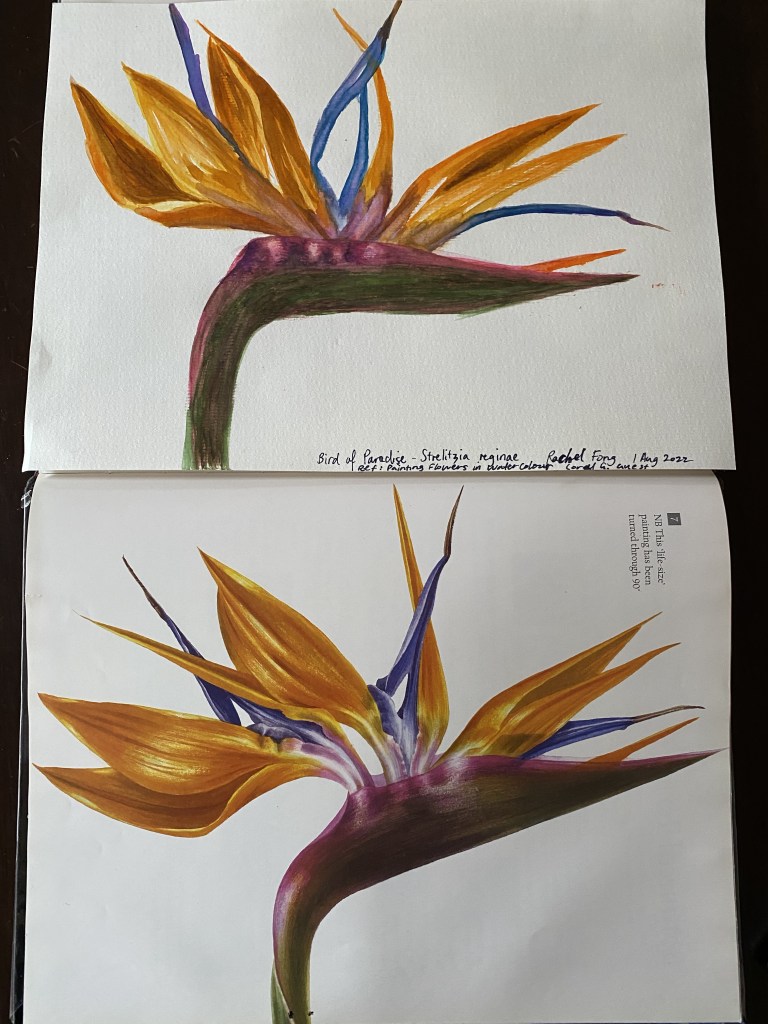
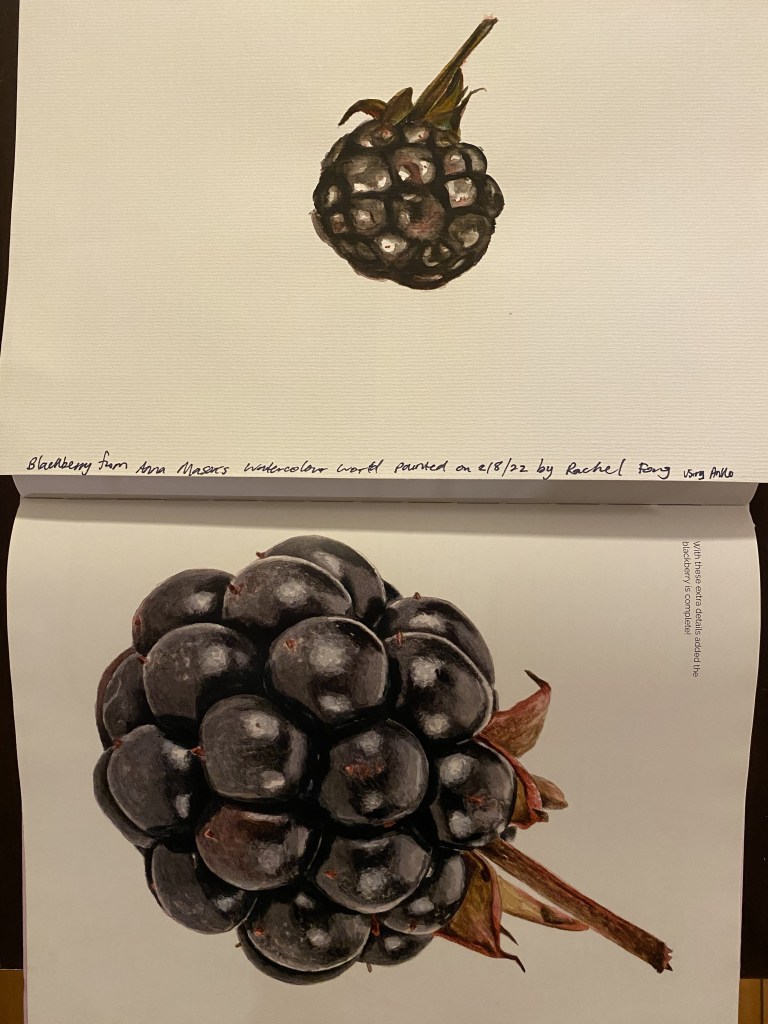
Anna Masons Watercolour World
This book had both beautiful paintings with very detailed step by step tutorials. I kept trying to skip steps but it turns out better if you are patient, wait for the layers to dry and follow the process. Kind of like in life. It was good to learn how to use the technique but it made me want to look at more looser and faster styles of painting.


Painting & Drawing Techniques and tutorials for the complete beginner
This book covers watercolour, acrylic, oils, colour pencils and charcoal which is presented by an artist who has mastered that medium. I love this because it shows what good looks like, and they’ve demonstrated the techniques with beautiful paintings that I actually would like on my wall and is easy to access for the beginner. The watercolour section is with Paul Clarke, and he does a great job of explaining the basics. I haven’t yet attempted the tutorials but definitely will be doing this as he also covers use of masking fluid which isn’t really covered in most of the other beginner books.
Here’s the links to most of the books mentioned in this article from my goodreads bookshelf:
 Rachel Fong Art